
One thing that makes a nursing career tough is to move from studying to clinical work which is very fast. It doesn’t matter if you are a fresh graduate nurse or a nurse practitioner student getting ready for advanced practice; it is your nurse preceptor that determines your success.
A clinical mentor is a guide who can change your healthcare career journey if you understand his/her role and how to get the right placement with the mentor.
What does a Preceptor Mean in Today’s Nursing Context?
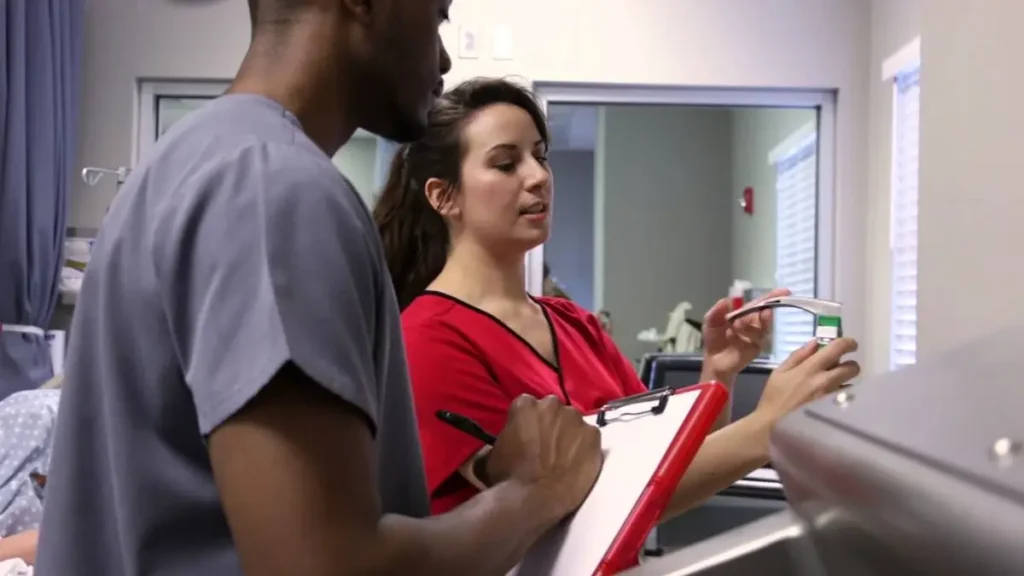
In order to grasp the full effect of this dynamic, we first need to explore the original definition of preceptor in nursing. A preceptor plays a very different role to that of a university lecturer who can easily handle a class of 50 students, whereas a preceptor is a skilled nurse working one-on-one, short-term oversight with a nursing student or new hire.
In nursing, the preceptor stands for the merging point of theoretical knowledge and its practical use. They are not merely observing how you do things; they are demonstrating to you ways to organize patient care, how to work efficiently under pressure, and how to correctly perform clinical procedures in the moment.
What Components Does a Clinical Preceptor Usually Bring to the Table?
First of all, a clinical preceptor should be able to effectively guide your learning experience while leaving some room for your personal growth and initiatives. In the beginning of your internship, there will be very little interaction between you and your supervisor; actually, what you will do is shadow your mentor and learn by observation the entire sequence of medical treatment, how to effectively communicate with patients and handle documentation.
Later on, when the time goes by, things start to change. Your tutor will have to give you:
- Regular Feedback: Pointing out mistakes in a non-threatening way and providing clear instructions to get rid of them.
- Inquiries for Critical Thinking: Giving you a scenario like, “what is the reason for us to attend the patient first who is in the room?” instead of the straightforward explanation of what to do.
- Caring for Your Well-Being: Acknowledging that the nurse on the floor jobs can be out of control at times and guiding you to not fall prey to professional burnout by creating good habits for coping with such situations.
Finally, you will be the one conducting the patient care with your instructor stepping back to a role in which she/he is just assessing and supporting the student, making sure that you are well versed in all skills and knowledge required before you become completely independent.

How to Find an NP Preceptor
Advanced practice students often face a real struggle when looking for clinical placements. In fact, lots of universities expect first grade students to find their own clinical mentors so it is understandable that students turn to the internet and type in search phrases such as “find np preceptor” or “np preceptor near me” to locate a clinic that would accept them.
If you are still looking for a clinical placement, try the following straight approaches one by one in order to get a spot:
1. Leverage Local Clinical Networks
Don’t rely only on cold emails. Identify the main community practices in the target geographical area. For students in the Montgomery County area, contacting community health centers such as Washington Medical Clinic directly can lead to negotiating with doctors who are passionate about professional growth and capable of on-location teaching.
2. Start Your Search Early
As a plan to meet qualified mentors, start preparing your clinical placement search at least six months ahead of your rotation. This approach allows the clinics to get familiar with your program requirements and confirm credentials.
3. Treat the Request Like a Job Interview
When initiating contact with a possible mentor or clinic manager, be ready with a properly written resume and a thorough explanation of the clinical goals set by your school. Make it clear what specific skills you need to master and how many hours you should be able to demonstrate.
Why Localized Mentorship Matters in Silver Spring
Completing your clinical rotation in your home area comes with a lot of benefits, particularly if you are considering working in the same place after graduating. By learning from a healthcare provider in the Silver Spring area, you can discover the particular health statistics, the typical chronic ailments in the community, and the local public health services that are unique to the area.
Partnering with a nurse preceptor who is currently practicing in the locality helps you grasp the healthcare system there and even build a network which might end up giving you a job right after your graduation.
Advancing Your Clinical Journey
The relationship you create with your mentor is a professional ladder, which you will climb step by step. Be ready to make each work session a learning experience, take critiques in a kind manner, and during the same time, keep your initiative. Having a committed mentor by your side in a caring clinical setting is the way to lay a firm and safe base for the whole of your medical career.
Frequently Asked Questions
A preceptor is a healthcare professional who guides, trains, and advises students or recently employed healthcare workers individually and practically in a clinical environment.
Some of the roles of a preceptor include guiding the students’ clinical tasks, verifying that patients are safe, instructing the learners on the use of logical thinking, and giving them evaluations so they can enter practice on their own.
Discuss how they would like to provide you with feedback, ask what their expectations are about your patient load, and ask them, “Why is this specific treatment plan primarily being used?”