

Urinary tract infection is still one of the top reasons adults visit doctors on a walk-in basis, so doctors need to use exact naming of the condition and make medical records efficiently. Here, at Washington Medical Clinic, LLC, we believe that accurate clinical assessment should be combined with administrative correctness so patients get treatment that is best for them while the healthcare records are kept in such a way that they show the proper icd 10 urinary tract infection. This paper offers a thorough discussion on how to identify the illness clinically, master the use of standard alphanumeric coding systems for statistical reporting, and also learn about the available direct routes for modern healthcare delivery.
What Does a UTI Feel Like?
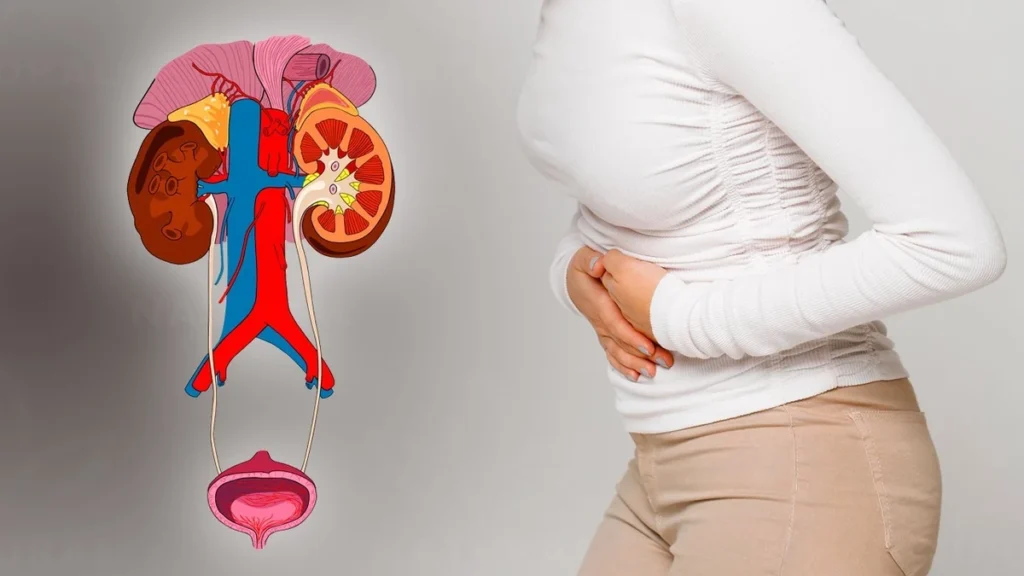
It is very important to know the early signs of infection in order to avoid systemic complications. In fact, patients often wonder, what does a uti feel like when an infection first develops.?The first feeling is usually a very mild, ongoing discomfort in the lower belly area that quite quickly becomes a stabbing, burning pain when urinating. This is due to inflammation that has become localized to the mucosal lining of the bladder and urethra.
Furthermore, as the body fights the infection the bladder muscles will contract more often causing a very strong sensation of needing to urinate although in fact there may be almost no urine present. Also, a lot of people get a pulsating, lingering ache in the center of the pubic bone area which may cause them to have problems sleeping and performing their usual daily routines.
Recognizing Specific UTI Symptoms
While almost everyone can relate to the basic discomfort, the way the symptoms show can be a bit different from one person to another, depending on the makeup of their body and overall health. Clinicians are able to recognize such symptoms and document the case properly and start the treatment without the patients’ wait if the patterns or signs of the disease are recognized early.
General UTI Symptoms
The main physical indicators of a urinary tract infection confined to the bladder involve a series of marked changes in the way a person urinates as well as the look of urine. Along with an extremely burning feeling, individuals most of the time find that their urine is quite cloudy, hazy or dark. A strong or odd sweet smell is also a very noticeable sign of bacterial growth. Sometimes, very small or even visible blood cells may give the urine a pink or brown color which condition is called hematuria and it reflects the degree of local tissue inflammation.
UTI Symptoms Women Frequently Experience
Because of anatomical differences, especially the fact that women have a shorter urethra which makes it easier for bacteria to get into the bladder, this group of people has a high rate of recurring infections. The particular symptoms that women with urinary infection observe are mostly related to a pain in the lower abdomen which is localized around the pubic bone. This pain may even get worse after physical activity or a long period of sitting. Also, the unceasing desire to urinate not only causes major disturbances but is often accompanied by feeling physically tired as the body’s defense system is at work fighting the bacterial attack.
Urinary Tract Infection ICD 10 Documentation Standards
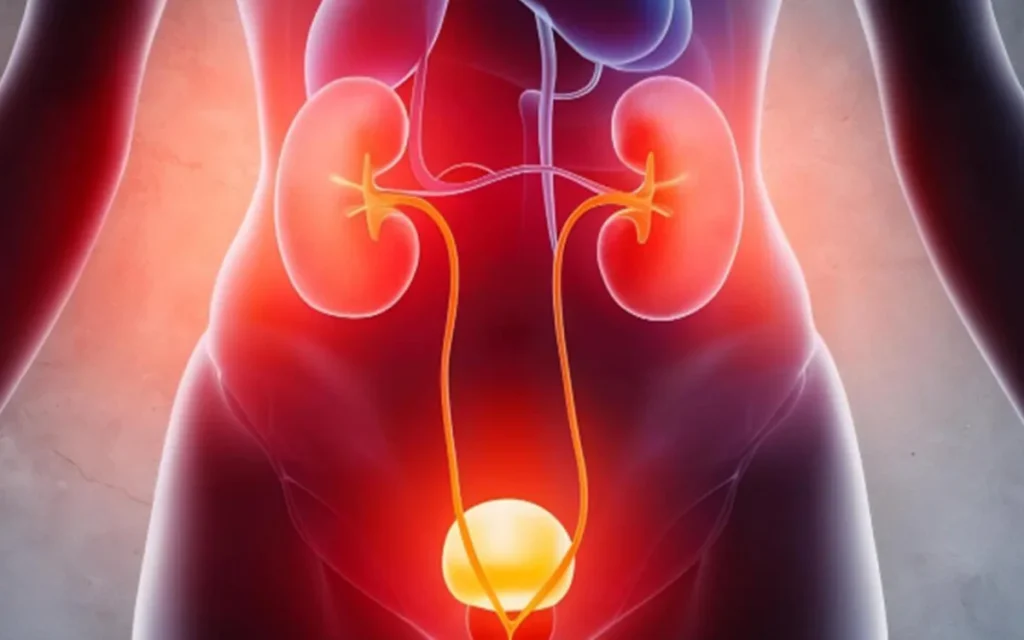
In today’s healthcare world, clinical diagnoses are converted into alphanumeric codes for various purposes like statistical analysis, public health monitoring, and insurance processing. The standard classification for urinary tract infection icd 10 places the disease under genitourinary system diseases. Reporting correctly largely relies on pinpointing the exact site of the infection within the urinary tract system.
The main code used for an infection at an unspecified site is N39.0. This particular alphanumeric is used when a laboratory confirmation or clinical diagnosis shows the presence of a urinary tract infection, but the medical records do not clearly indicate the infection in the kidneys, urethra, or bladder. It is very important to be very accurate in the documentation; if the infection has led to the involvement of the kidneys, different codes have to be used to indicate the increased clinical severity and the complexities of the medical treatment.
Online Treatment for Urinary Tract Infection
Waiting for days to get an open clinic appointment is not really a practical option when you experience immediate and painful urinary discomfort. Modern medicine has changed and now there are even more options available for patients. With online treatment for urinary tract infection, people are able to get quick access to a healthcare professional by having a safe virtual consultation.
During the online medical consultation, healthcare professional will look at the patient’s full medical history, be able to analyze the symptoms that patient presents and also check if there are any structural risk factors or contraindications present. If the symptoms appear to be those of an uncomplicated infection, a doctor can e-prescribe the medicine for the antibacterial agent to the patient’s local pharmacy. This method not only helps stop the spread of infections in the kidneys but also gives fast and easy relief of symptoms right at home.
Complete Medical Services at Washington Medical Clinic, LLC
If you need reliable medical supervision, Washington Medical Clinic, LLC is the place that provides entire clinical services which not only rely on traditional face-to-face consultations but also integrate toy modern digital health care methods. Making sure that your health records are properly coded, for example having the correct code for UTI in ICD 10, will lead to smooth handling and uninterrupted care. Focusing on quick dialogue and thorough clinical examination assists patients in conquering their painful urinary symptoms in a safe, effective way and with little disruption to their normal lives.
FAQS
Common signs are a very strong burning pain when urinating, a very strong and frequent need to urinate even after passing small amounts of urine, cloudy or foul-smelling urine, and sometimes lower pelvic pain or discomfort.
Yes, but there are special coding rules that must be adhered to. If a patient has acute cystitis resulting in a urinary tract infection, the usual coding practice would lead to the selection of the specific cystitis code since it specifies the exact location of the inflammation rather than the general, unspecified location code.
Diagnosis is made mainly by careful examination of the main typical symptoms, for example sudden dysuria, frequency, and urgency. In a lot of healthcare facilities, this clinical evaluation is supported by a quick urine dipstick test or an official urine culture to identify the type of bacteria.