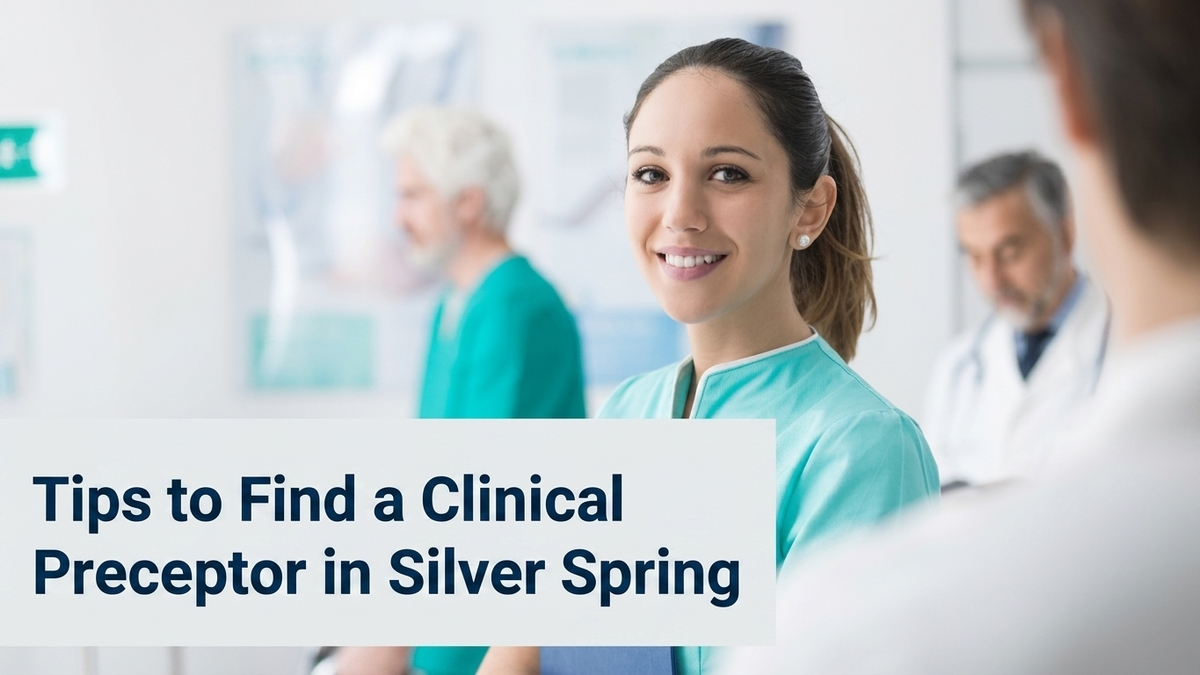
Finding a clinical preceptor is probably the most important step in your advanced nursing education journey. If you are a nurse practitioner student or simply completing your clinical hours, finding a knowledgeable professional who can oversee your practical work is something you will have to do on your own.
You might feel overwhelmed looking for one, especially when you have to balance working and studying at the same time. However, if you take on this task with a clear plan, it can really help. Below are some tips on how to get the right clinical mentor.
Understanding the Role of a Preceptor in Nursing
It is a great idea to figure out precisely what you desire from a professional relationship. Only after that, you should consider getting in contact with local clinics. In nursing, a preceptor is someone with extensive clinical experience who supervises you individually, helps you apply theoretical knowledge from classes to clinical practice, and supports you in becoming a self-assured healthcare provider.
For those pursuing graduate studies in health professions, it is very important to secure a nurse practitioner who is also a preceptor. Only a NP preceptor can expedite mastery of the various diagnostics, patient management techniques, and electronic medical record (EMR) systems appropriate for the role you plan to inhabit. Besides being a mentor, this person is also a health care professional who serves as a guide and source of reassurance while you are giving direct patient care for the first time.

Concrete Steps to Find an NP Preceptor
Getting a clinical site is a combination of planning ahead, being professionally persistent, and communicating effectively. Simply sending out cold emails almost never works; it is better to combine various channels.
1. Plan for Your Site Search Six Months Before
The biggest error that students make is to decide on clinical sites only one semester before their rotations start. In fact, providers with many students often secure their slots from six months to twelve months in advance. Therefore, starting early does not only mean that you can do the paperwork for credentialing, school affiliation agreements, and background checks without stress, but it is also a good buffer in case there are any unexpected delays.
2. Utilize Local Clinical Networks
If finishing your clinical hours is a local priority, it is wise to concentrate your efforts on community health centers and well-established regional clinics. Students who want to find a clinical preceptor in Silver Spring can discover possible openings by contacting independent family practices and outpatient facilities such as Washington Medical Clinic. The staff at local clinics are not only knowledgeable about the specific patient demographics of Montgomery County but also offer a wonderful learning experience at the grassroots level.
3. Utilizing Professional Associations
One of the best resources that state and local nursing chapters offer is the opportunity to be part of the network. Go to the local meetings or have a look at the directories of regional nurse practitioner associations. Many experienced professionals choose to list themselves in these databases for the simple reason that they are willing to mentor the upcoming generation of clinicians.
4. Be Clear About Your Goals
When getting in touch with a potential nurse practitioner preceptor, don’t simply ask if they take students. Immediately give them a clear picture of your situation:
- Your exact enrollment program and university name.
- The required number of clinical hours.
- The specific patient population you need to see (e.g., primary care, pediatrics, or women’s health).
- The precise start and end dates of the semester.
Preceptor Home Health Roles
Depending on your tracking or program requirements, it is possible that you will require some experience beyond the conventional family practice clinic.
It would be great to rely on a preceptor home health specialist if your program is community health, transitional care, or geriatric medicine oriented.
Home health rotation is an eye opener to a different facet of patient care, addressing long term illnesses, changing a patient’s way of living at their home, and ensuring that patients receive continuous care. If these are the components of your education, then you should consider licensed home health agencies or clinics that have home-visiting programs in order to get these specialized hours.
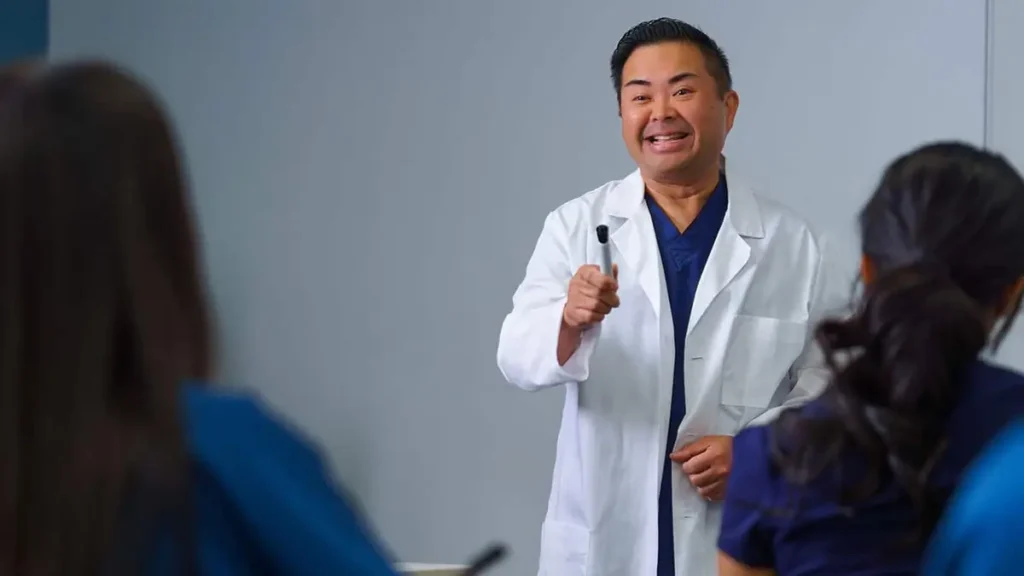
Pitching Yourself Professionally
Getting in touch with a potential site is the first step. Work on making the discussion as a job interview. Providers have very tight schedules, so you have to be brief and professional.
- Have an Updated Resume ready: Put your clinical background, current RN role, and any certifications prominently.
- Explain Paperwork Concisely: Be reassuring to the provider that your school still takes care of primary liability insurance and makes available clearly defined evaluation rubrics, which will greatly lessen the administrative burden of the clinic.
- Follow Up with Courtesy: If you leave a resume or send a query, wait for a whole week before making a polite follow-up call. Persistence is good as it shows dedication, yet it is also a way of respecting their clinical schedule.
It can be very challenging to find a rotation, but tapping into local medical communities, keeping good records and starting your search early will make a clinical preceptor almost automatically come your way. The clinical preceptor is the one who will help you acquire the solid foundation for your future practice.
Frequently Asked Questions
One of the key duties of a clinical preceptor is to closely monitor a student’s clinical decision-making to not only guarantee the safety and quality of patient care but also to assess the student continuously.
To be an NP preceptor you should be a licensed, practicing health care provider, such as a certified nurse practitioner, a physician, or a physician assistant, with a minimum of one year clinical experience in the specialty area.
Typically, nurse practitioner programs require that their students complete a minimum of 500 to 700 hours of direct clinical experience, usually divided into 150 to 240 hours per semester rotation.