

Getting a UTI can turn an ordinary day into a really hurting or even a very unpleasant experience. And having a UTI infection doctor in mind, or rather knowing you can get to a UTI infection doctor, is what makes a huge difference in terms of being able to get relief very quickly or enduring weeks of discomfort. To summarise, UTIs are common bacterial infections that mainly affect the urinary system bladder, urethra, or sometimes even kidneys causing among other things a burning sensation or pain, an uncontrollable urge to pee and discomfort in the pelvic region.
In fact, UTIs can get better with timely medical diagnosis and targeted use of antibiotics. However, in case of not taking medicine, even a slight infection in the bladder might progress to involve the kidneys, the latter one being potentially very problematic, so men and women alike should make sure they consult a properly qualified UTI infection doctor as soon as they get symptoms.
Understanding Causes of UTI
Urinary tract infections (UTIs) are mostly the result of bacteria infecting the urinary tract; for example, E. coli from the digestive tract is the most common cause. A few habits can contribute to UTI risks, namely, not keeping the personal hygiene, not drinking enough water, frequently retaining urine, engaging in sexual activities, having menopause, and pre-existing conditions, such as diabetes or kidney stones.
The main reason why women are more likely than men to get UTIs is having shorter urethra. Still, males, children, and elderly may also suffer from such infections.
The best infection specialist who understands UTIs would take an account of the risk factors to discover the main cause, only then, would they suggest treatment methods, so that the infection is prevented from recurrence.
Recognizing Symptoms Early
Some of the common features of UTI, which is urinary tract infection, are the burning feel during voiding, constant desire of urination, murky or pungent smelling urine, discomfort in the lower abdomen, and sometimes a mild temperature rise.
Getting a checkup by a UTI infection doctor soon after noticing these signs will stop the spread of the bacterial infection in the urinary tract. Failure to pay attention usually brings about even worse needs in later stages such as bladder infection treatment which may also result in being admitted if it’s a very serious situation.
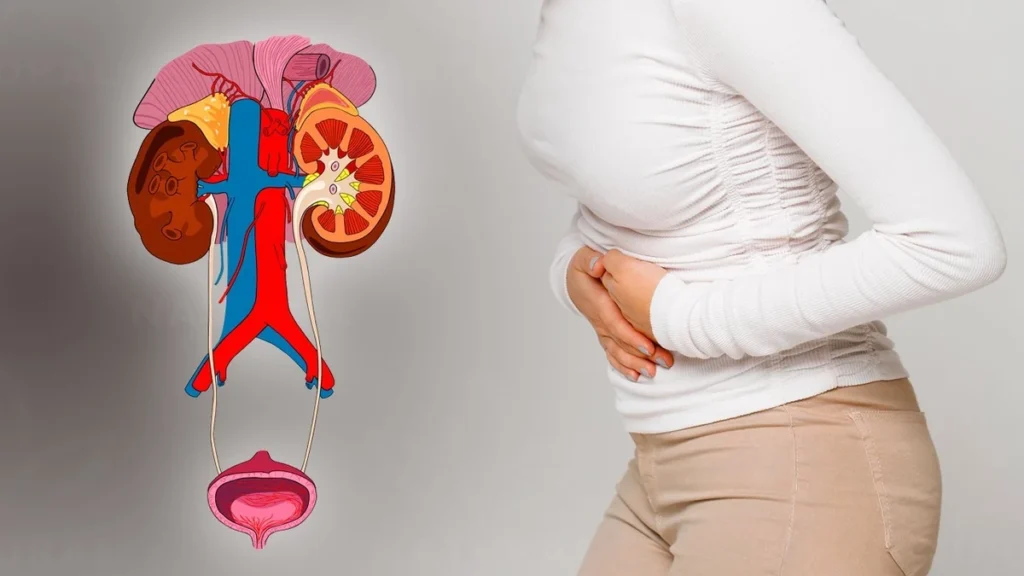
UTI Pain Relief Options
Many individuals looking for immediate uti relief try various methods while waiting to get an appointment with a doctor. Drinking lots of fluids, applying a heating pad on the belly just above the pubic bone can offer some relief. It is also important not to consume caffeine and alcohol and you can take a painkiller available without prescription for a little while in order to be more comfortable.
Nevertheless, these methods merely cover the problem and not getting rid of it. Getting rid of the infection needs more than a few tricks as it’s a medical condition so only a UTI doctor has the authority to write you the right prescription to kill the bacteria and get complete relief from the pain.
Effective UTI Medication and Treatments
After a diagnosis, the UTI infection doctor usually prescribes antibiotics that match the bacteria that have caused the infection. Usual uti treatments are antibiotics that have been prescribed for a short period of time and will remove a mild infection within days. In the case of a more serious or repeated infection, a patient may need a longer course of treatment or a different diagnosis such as urine cultures.
In addition to these, the modern uti treatments will have you take probiotics to get back healthy bacteria, change your diet, and modify your lifestyle to prevent recurrence in the first place. A doctor with great trust for UTI patients tailors the treatment according to the severity of the infection, patients’ history, and patterns of antibiotic resistance.
Bladder Infection Treatment for Long-Term Relief
For those suffering from frequent infections, a typical course of antibiotics does not suffice for treating bladder infection. Doctors can perform X-ray or similar diagnostic tests besides offering the patient a hydration strategy. In some cases, the doctor might start your preventive medicine course with low-dose antibiotics.
Collaborating with a UTI doctor who has been dealing with the same for a while can ensure that the treatment plan covers not only the current issue but also future prevention thus helping the patient avoid severe complications like kidney infection.
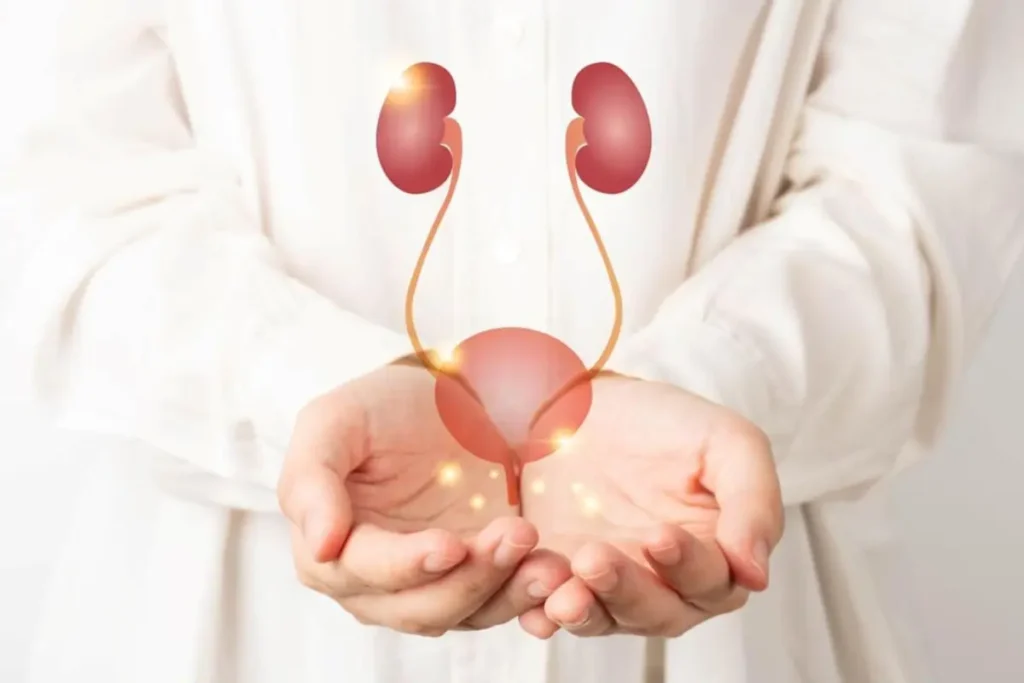
Why Choose Us: Your Best UTI Doctor
Every infection is different, and using leftover drugs on one’s own can lead to antibiotic resistance or even wrong diagnosis. As your trustworthy specialists in UTI infection, we perform thorough checks to pinpoint the bacteria you are dealing with and the kind of medication that will make you healthy again.
In this way we minimize the time it takes to get well and at the same time, we will not let the infection get back. Should you notice the signs of a urinary tract infection, do not delay Washington Medical Clinic, LLC is your go-to place for immediate and reliable consultation with a seasoned UTI infection doctor who can quickly detect and treat your infection so that you can return to your daily routine without delays.
When to See a Doctor Immediately
Visit the doctor at Washington Medical Clinic, LLC right away if kidney infection is suspected and if you notice symptoms like the ones listed above. Otherwise, you could be facing a kidney infection that was caused by a minor bladder problem. Going on a visit right away should prevent hospitalization, bring proper diagnosis along with effective treatment, and ultimately, the patient should be feeling better quickly.
Frequently Asked Questions
Most patients feel symptom improvement within 24–48 hours of starting antibiotics, though it’s important to complete the full course.
Mild cases occasionally resolve on their own, but most UTIs require proper medication to prevent complications.
Common causes include bacteria from improper hygiene, sexual activity, dehydration, and hormonal changes during menopause.
Yes, kidney infections usually require stronger antibiotics and closer monitoring due to higher complication risks.
If symptoms last more than two days, recur frequently, or include fever, you should see a doctor immediately rather than self-treating.