
Preceptor nursing refers to the process where an experienced nurse assists a nursing student or a less experienced nurse in their practical training. This method not only helps in making the connection between theoretical knowledge and actual patient care but also ensures the learner develops proper skills and understands the nurse-patient relationship. This article discusses the role of a preceptor and the preceptorship training steps along with providing tips on how to find a suitable preceptor program for your career development.
What Is Preceptor Nursing?
Preceptor nursing involves pairing an experienced nurse with a nursing student or a newly licensed nurse. The knowledgeable nurse supervises the work of the student, answers questions, and serves as a role model for making proper clinical decisions safely. It is not just lecture time. It is actual patient care happening right before you.
It is through preceptor nursing that nursing students and nurse practitioners get the necessary hours of clinical experience. If not for it, they would be unable to finish their studies or take certification exams.
Why Preceptor Nursing Matters So Much
Preceptor nursing is a great support and can determine a nurse’s growth in becoming confident and skilled. A good mentor doesn’t just watch over an individual preceptor but also encourages a learner to be independent.
They also give them clinical judgment, patient communication and stress management during the shift. Whereas, a preceptor who is lacking in skills, on the other hand, may not identify all the areas a new nurse needs to be guided.
Hence such a preceptor nurse might be missing from the gaps. A new nurse might get stuck doing simple procedures for very long or might not react at all during a crisis. A hospital with such a great nurse preceptor programme can see the difference in how well the staff members are being kept and how patients are taken care of.
The Nursing Preceptor Role, Explained
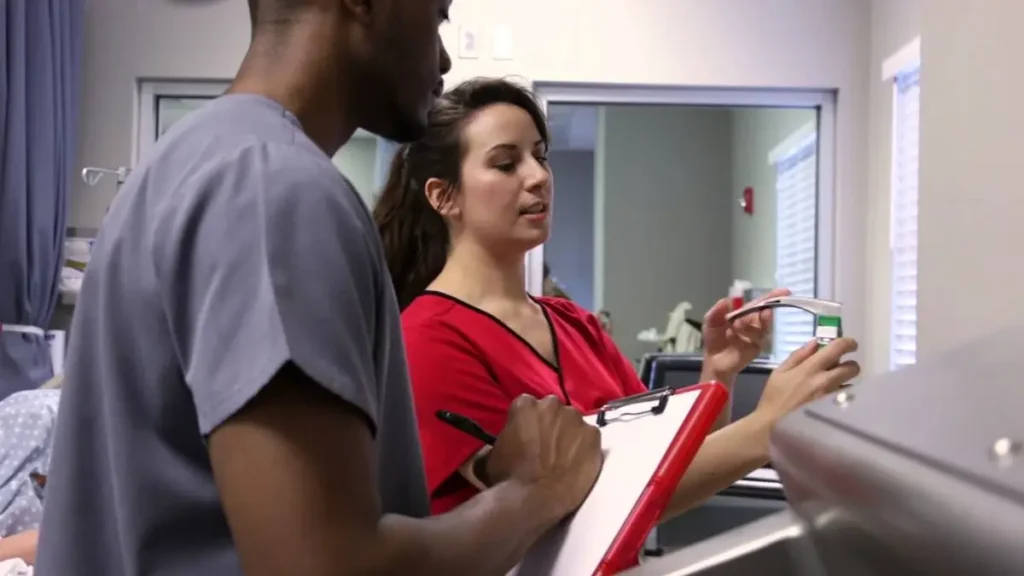
The nursing preceptor role is much more than just supervision. The role of a preceptor generally encompasses:
- Going through the patient assignments with the student or nurse who is new during each shift
- Showing trainee how to carry out a procedure before allowing trainee to take a chance
- Providing immediate positive and correction feedback
- Keeping a record of a student’s progress and giving a report to the school or the workplace
- Serving as someone the learner can approach with various problems, even after the formal training is over
Emotional support is another important part of a nursing preceptor role. The beginning of clinical work is really challenging for a trainee. The preceptor who regularly asks the trainee how he/she is coping makes the trainee trust him/herself. Trust and better learning usually go hand in hand.
Preceptors for Nurse Practitioners: What’s Different?
Preceptors for nurse practitioners work at a higher clinical level than preceptors for nursing students.
Nurse practitioner students are being prepared to diagnose, prescribe, and manage full patient care independently.
Therefore, preceptors for nurse practitioners concentrate on:
- Differential diagnosis and clinical decision-making
- Prescribing and medication management practices
- Communicating effectively with patients in complex situations
- Fostering confidence for independent practice
Due to the increased responsibility, preceptors for nurse practitioners are usually physicians, NPs or physician assistants who, at the very least, have several years of clinical work.
Nurse Preceptor Training: What It Involves
The nurse preceptor training equips seasoned nurses with teaching skills as well as clinical ones. However, having clinical nursing skills doesn’t mean that one will automatically make a good teacher. Typical topics of nurse preceptor training usually include:
- Adult education theory
- Giving quality of feedback
- Holding early and accurate meetings
- Methods of record keeping and assessment
- Negotiation with challenging trainee situations
Most healthcare institutions will only allow preceptor roles to experienced nurses through their preceptor training programs. These programs not only ensure uniformity in training and teaching but also safeguard the patient’s health during this learning period of trainees.
How to Find a Nurse Practitioner Preceptor
Students frequently question the method of obtaining a nurse practitioner preceptor if their educational institution fails to arrange the connection. Several practical methods may be effective:
- Contact your local clinics and inquire if they offer precepting openings
- Use your professional connections and alumni groups and contact nursing associations
- Ask your fellow instructors or classmates if they have recommendations
- Contact clinics whose specialties are aligned with your area of interest
Washington Medical Clinic, LLC is an independent clinic ready to engage with nursing students and nurse practitioner candidates if they are in search of a practitioner to work with and gain hands-on experience in the medical field. Feel free to contact us to explore any potential precepting arrangement that suits your learning plan.
Qualities of a Strong Preceptor
Patience, good communication, and a willingness to let students make mistakes with guidance are some of the things that a good nursing preceptor should have. A nurse even with 10 years of experience can be a not-so-good preceptor without those traits.
If a preceptor is a great role model, one should also see the preceptor genuinely caring for teaching the nurses instead of just overseeing them.
Mentoring or clinical instructor students are also taught to be able to distinguish potential nurse instructors who show these characteristics besides competence in the technical aspect.
Common Challenges in Preceptor Nursing
Preceptor nursing can sometimes be very difficult. These are the usual problems:
- Too much work leaving very little time for teaching
- Student and preceptor not having the same expectations
- Lack of consistency in feedback or no clear evaluation criteria
- Very few opportunities of patients’ cases variations
In general, programs which deal with these problems from the start, will most probably produce more capable and confident nurses.

Final Thoughts
Preceptor nursing has been identified as one of the essential aspects of clinical nurses education.
If you are a student in nursing desiring mentorship or if it’s a clinic you are thinking about launching a mentorship program, you need a strong preceptor relationship to create a long-lasting difference.
Washington Medical Clinic, LLC offers their support to nursing and NP candidates by offering practical precepting. Please contact the clinic today to find out what opportunities are available at this time.
FAQs
A nurse preceptor helps and learns with a nursing student or new nurse through live clinical shifts, giving them support, constructive comments, and practical training.
It depends on the nursing facility but nurse preceptor training typically spans from a few hours to a few days and is about learning and teaching skills, and conducting evaluation.
You can contact the local clinics themselves, tap into the networking of nursing school, or get in touch with professional organizations. Several of the clinics are also open to receiving student inquiries directly.
Indeed, virtually all nursing and NP schools ask students to complete clinical hours with a preceptor before graduation or taking licensing exams.
Patience, clear communication, open-mindedness to teaching, and good clinical skills make up some of the main traits for a good nurse preceptor.