

It happens a lot. You get an unexpected ache/pain “down there, ” and even after you feel it, you have trouble naming the reason. You start wondering if it is a simple infection of the urinary tract (UTI) or a yeast infection?
Though both conditions can be quite common in many people, their way and type of treatments are very different. Thus it is important to understand the main differences between uti vs yeast infection which helps us make the correct treatment plan for a relief without any side effects.
Rapid, correct diagnosis and the best therapeutic solutions are our main goals at Washington Medical Clinic, LLC for the residents of Silver Spring, Maryland.
We will go through and explain how one can tell these from each other with an accuracy of 100% so that you will be able to return back to your state of health.
UTI vs Yeast Infection: Understanding the Key Differences
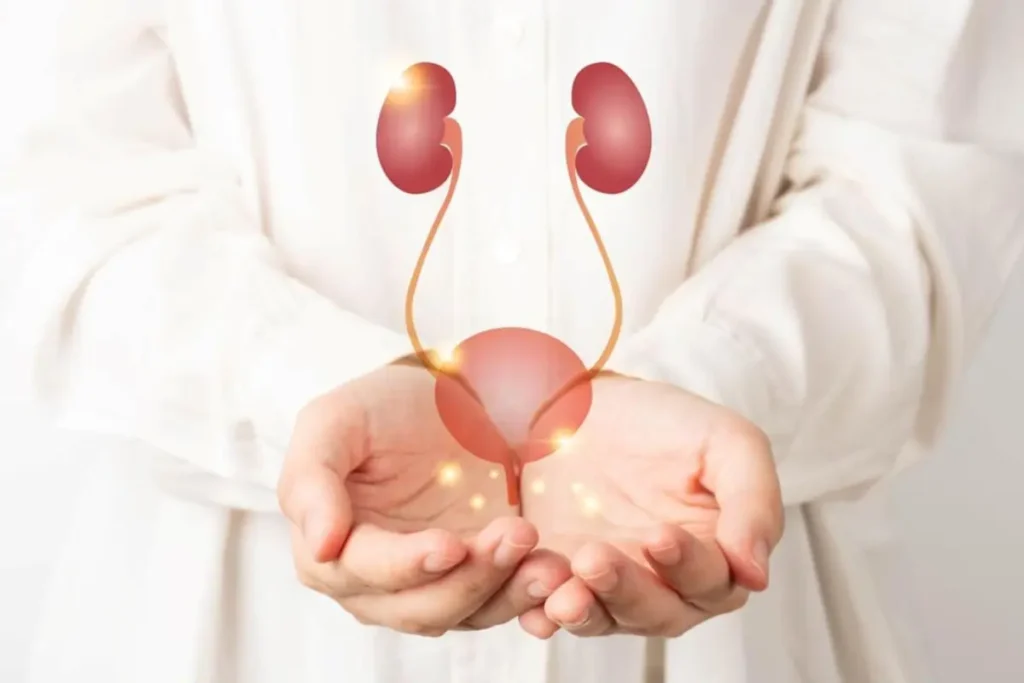
Besides knowing what a UTI or a yeast infection is like, it is a good idea to know their origins. A UTI is due to bacteria getting the infection. This is triggered by the entry of bacteria through the urinary tract which consists of the bladder, kidneys, and the tubes that connect them to each other.
A yeast infection, meanwhile, stems from a fungus. The yeast naturally in the vagina, especially, of the type Candida, gets to the point that the normal balance of the vaginal flora is disturbed by overgrowth or by something which has allowed for the yeast to multiply rapidly.
As they affect different parts of the body, their key symptoms are quite dissimilar.
Common Signs of a Urinary Tract Infection (UTI)
- A very strong and continuous feeling that you need to urinate.
- A painful and hot feeling when you urinate.
- Passing urine often in small amounts.
- Urine that is very cloudy and smells strongly, is pinkish in color, etc.
- There is pelvic pain or pressure in the lower abdomen.
Common Signs of a Yeast Infection
- The vulva and vagina may be severely itchy and uncomfortable
- A burning feeling that is more common at intercourse or while passing urine
- Swollen, reddened vulva
- Vaginal soreness and discomfort
- Thick, white, smellless vaginal discharge, which resembles a cottage cheese

Bladder Infection vs UTI: What Is the Connection?
People are very often mixing “bladder infection” and “UTI” terms that can create confusion. To make it clear, a bladder infection is a UTI that is only limited to the bladder.
A urinary tract infection is a general name that covers bacterial infections in any part of your urinary tract. The infection staying inside your bladder is called bladder inflammation (i.e., a bladder infection cystitis). If the infection gets past your bladder, you may be looking at a serious kidney infection.
If you have a bladder infection and see a doctor immediately you can stop it from developing into another health problem that is more difficult to handle.
Can a Yeast Infection Cause a UTI?
We frequently come across this question: a yeast infection can result in a UTI?
The short answer is that yeast infection is not your friend getting into your urinary tract and causing a UTI at the same time. There are two different problems: Yeast infection is caused by a fungus (Candida), whereas UTIs are usually caused by bacteria.
Nevertheless, it’s common to get a second infection following a yeast infection.
The irritation you experience from a yeast infection can make your urethra and labia more vulnerable to bacterial infection. The more you scratch the affected area, the easier it is for germs to get in. Using topical remedies without a barrier is one of the main dangers, since they may not prevent the entrance of bacteria into the body.
The use of antibiotics, for example, to treat a UTI may result in a yeast infection after the beneficial bacteria have been killed out of balance.
What to Do for UTI Repeated Infections
Dealing with an individual infection is not very pleasant, but being a victim of multiple UTI infections can really mess things up in your day to day activities. Medically, doctors refer to recurrent UTIs as having two or more infections every six months, which would be three or more every year.
The first step is always a thorough investigation of causes. Persistent urinary tract infections can have genetic, lifestyle, or physical root causes. Our medical experts assist patients in finding the underlying reasons for these recurrent attacks and guide them in implementing preventive measures and performing specific tests that can halt the cycle.
Your UTI Infection Doctor in Silver Spring
Although people often reach for over-the-counter test kits and use home remedies for ailments like UTIs, such ways are just not as effective as visiting a doctor. When a person tries to self-diagnose and get themselves medication, it usually results in getting the wrong kind of medicine. This can not only make the infection spread further or delay recovery, but even cause other health issues in the process.
On top of making sure that the right medication is used, going to see a specialist who deals with UTIs is an effective way to get a proper test done. One such reliable way is doing an Accurate urine culture which is a test that reveals the particular strains of bacteria which are responsible for a person’s symptoms. Once the right bacteria is identified, the doctor will be able to prescribe the most effective and targeted antibiotic for treatment. If you’re at Silver Spring, Maryland you can trust a team of experts at Washington Medical Clinic, LLC to provide care that is both efficient and full of compassion for you and your case.
What Does UTI Infection Treatment Involve?
The standard and reliable way to treat a UTI is by taking a doctor’s prescribed antibiotics.
- Antibiotics: The drugs help to get rid of the bacteria causing your urinary infection. The most important thing is completing the whole course, even if you feel much better after a couple of days. If you stop early, the bacteria that were left can become strong again.
- Symptom Relief: To reduce the burning sensation, the doctor will most likely get you a medication that will be taken orally which acts as a local anesthetic for the urine.
- Hydration: A very effective way how water helps you to pass urine, it is also one of the first things advised when you suspect to have a UTI so that the infection is cleared.
Frequently Asked Questions
A UTI mostly leads to urinary symptoms inside the body such as a burning feeling when you urinate, a constant need to go, and pain in the lower abdomen or pelvis. A yeast infection results in external vaginal symptoms such as severe itching, inflammation, and a yellowish or grayish discharge with clumps.
Yes. You really can have a UTI and a yeast infection at the same time. That is quite possible because the antibiotics for UTI treatment may destroy your microbiota. As a result your yeast population gets a free pass to multiply rapidly.
No. Mild yeast infections take time and generally require a couple of days of antifungal treatment for them to go away completely. Even without medication, it is likely that your immune system will eventually eliminate the infection, but it is unlikely to be within 24 hours of the infection time, and allowing the infection to remain without treatment can actually make the irritation worse.
Yeast is happiest being active in warm, damp places. Factors that contribute to development of a yeast infection include wearing tight and sweat-trapping clothes made of synthetic materials, being in a wet swimsuit for a long time, using strongly scented feminine hygiene products, having a very sugary diet, and taking antibiotics.