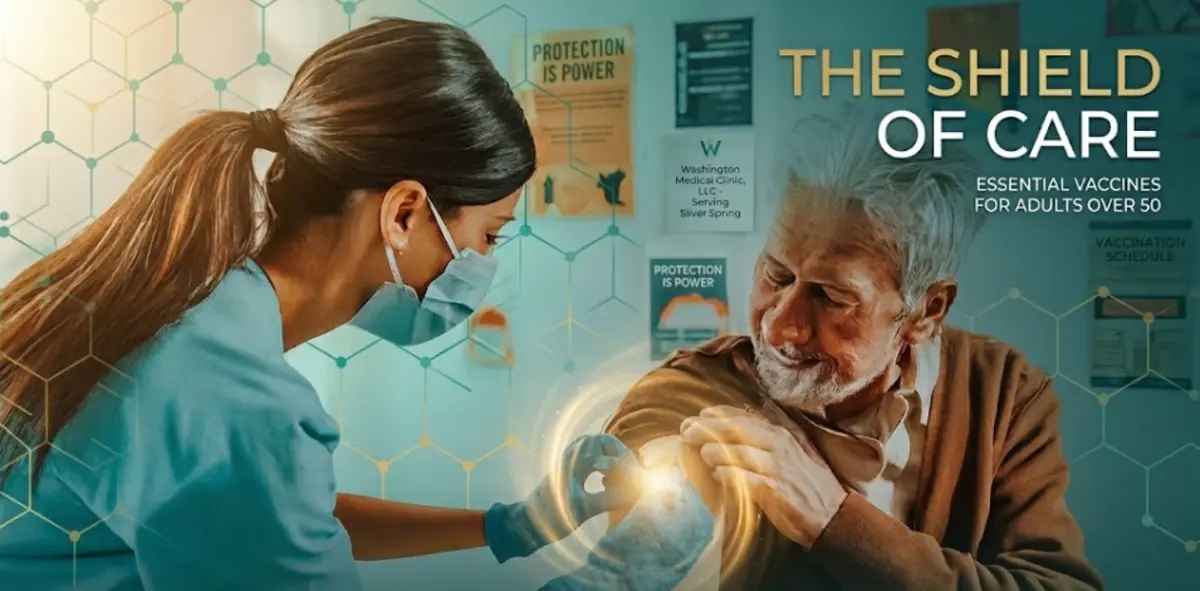
Reaching our 50th birthday brings changes to our focus on health. We care more about keeping ourselves physically active, increasing our longevity, and boosting our immune health. Most people think of vaccinations only as something children need, but getting vaccines for adults over 50 is equally important as you grow older.
Washington Medical Clinic, LLC, believes that preventive medicine is the base of healthy aging. It can be tough to figure out your changing health requirements. However, getting vaccinated regularly is one of the easiest and most effective ways to maintain your good health for the long term. Here is what you should know about immunizing older adults and keeping a strong immune system.
Why Your Vaccine Needs Change After 50
Immunosenescence is the natural process through which our immune system weaken as we age. Our bodies become less capable of defending against infections making us more vulnerable to getting sick. Besides, what may be a mild disease in a young person could cause serious complications, hospital stay, or chronic pain due to aging.
Getting vaccinated on time for adults serves as a way of “refreshing” your immune system, thus giving you the much-needed protection from a serious health breakdown.
The Most Important Vaccines After 50
Your personal schedule may change when you reach 50 years old. Here are some of the immunizations that are strongly recommended for you to stay safe and healthy:
The Shingles Vaccine (Shingrix)
Shingles is a painful, blistering skin rash that occurs when the varicella-zoster virus, which is the same virus that causes chickenpox, becomes active again. If you have had chickenpox, the virus will remain inactive in your body but could come back when your immune system weakens.
The shingles vaccine is very much advised for healthy adults at least 50 years old. It is given as a two-dose series and is very successful not only in preventing the virus but also in preventing postherpetic neuralgia (PHN), which is a severe, debilitating nerve pain that may last for several months or even years after the rash has healed.
Respiratory Syncytial Virus (RSV) Vaccine
RSV is usually considered a disease of young children but it is also a major health risk for older adults. Besides causing a runny nose and cough, the virus can bring on a severe lung infection and may even cause pneumonia especially in senior citizens. Consequently, those in their sixties and beyond who suffer from heart or lung troubles are highly encouraged to consult a doctor at Washington Medical Clinic, LLC to discuss whether getting the RSV vaccine would be a wise decision for them.
Pneumococcal (Pneumonia) Vaccine
If left untreated, pneumococcal infection may lead to severe and even fatal illnesses such as pneumonia, bacteremia, and meningitis. Generally, it is recommended that the vaccine for pneumococcal infection be given to healthy adults once they reach the age of 65 years. However, for the case of adults who are above 50 years and have certain chronic diseases like diabetes, heart disease, or asthma, it could be advisable to have the vaccine administered at an earlier age.
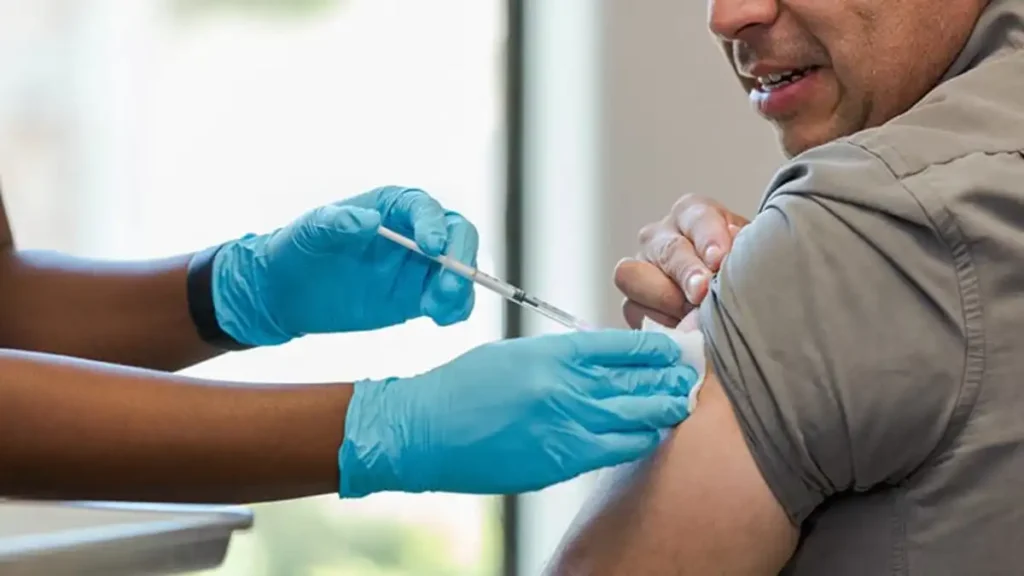
What Changes When You Reach Age 65?
In time, your immune system may need a little extra help. When you hit your mid-60s, that’s when you get a flu shot with a bit of a twist, so to speak.
Better Flu Protection
Everyone should really get a flu shot every year at the very least. However, nowadays, not all the flu shots can prompt a strong enough immune response in the bodies of elderly people.
Therefore, health professionals focus on flu vaccinations that are meant for older adults, 65 and above. These specialized flu vaccine choices are known as “high-dose” or “adjuvanted” flu vaccines. They have either more viral antigens or a different component added to them, which is capable of stimulating a much more potent and vigorous immune response, thus ensuring better protection against seasonal flu.
Take Control of Your Health in Silver Spring, Maryland
By investing in your health today, you guarantee that your future days will be filled with vigor and independence. Vaccines are one of the safest, most reliable, and trustworthy medical interventions to prevent serious illness that might land you in the hospital. Besides, they keep you in good health and allow you to continue engaging in your favorite activities.
The medical expert team at Washington Medical Clinic, LLC is always available if you have decided to go over your health records and make sure that you have all the necessary immunizations up to date. We can review your files, determine your health situation, and devise a tailored preventive healthcare plan just for you.
Frequently Asked Questions
All adults need an annual flu shot and a Tdap (tetanus, diphtheria, pertussis) booster every 10 years. Once you reach age 50 and beyond, vaccines for shingles, pneumococcal disease, and RSV are added to protect against age-related health risks.
If you were born before 1957, you generally have natural immunity. If you were born in 1957 or later, you should get vaccinated for measles with at least one dose of the MMR vaccine unless you have lab proof of immunity or clear vaccination records.
Yes, temporary side effects are common because the vaccine triggers a strong immune response. You may experience soreness, redness, or swelling at the injection site, as well as fatigue, muscle aches, a headache, or a low-grade fever for 2 to 3 days.
Generally, healthy adults wait until age 65. However, you need it earlier if you are over 50 and have chronic conditions like diabetes, heart disease, asthma, COPD, or a weakened immune system that increase your risk for severe pneumonia complications.